An Authentic African Experience
We have tailor-made exclusive safaris and tours for an authentic African experience. Discover Africa's wild places off the beaten path, wildlife, culture, and beauty with us.
-min.jpg&w=3840&q=60)
We have tailor-made exclusive safaris and tours for an authentic African experience. Discover Africa's wild places off the beaten path, wildlife, culture, and beauty with us.
-min.jpg&w=3840&q=60)

Over a decade, Aerocruise, your dedicated Destination Management Company (DMC) with "boots on the ground," has been crafting unparalleled and intimate luxury travel experiences across the breathtaking landscapes of East and Southern Africa. We specialize in designing bespoke journeys that transcend the ordinary, seamlessly blending opulent comfort with a deep commitment to regenerative tourism and impactful conservation.
We understand that true luxury extends beyond exquisite accommodations and impeccable service. It encompasses authenticity, exclusivity, and the profound satisfaction of making a positive impact. Our meticulously crafted itineraries offer:
Seamless Private Transfers: From private aviation to chauffeured vehicles, travel in utmost comfort and convenience.
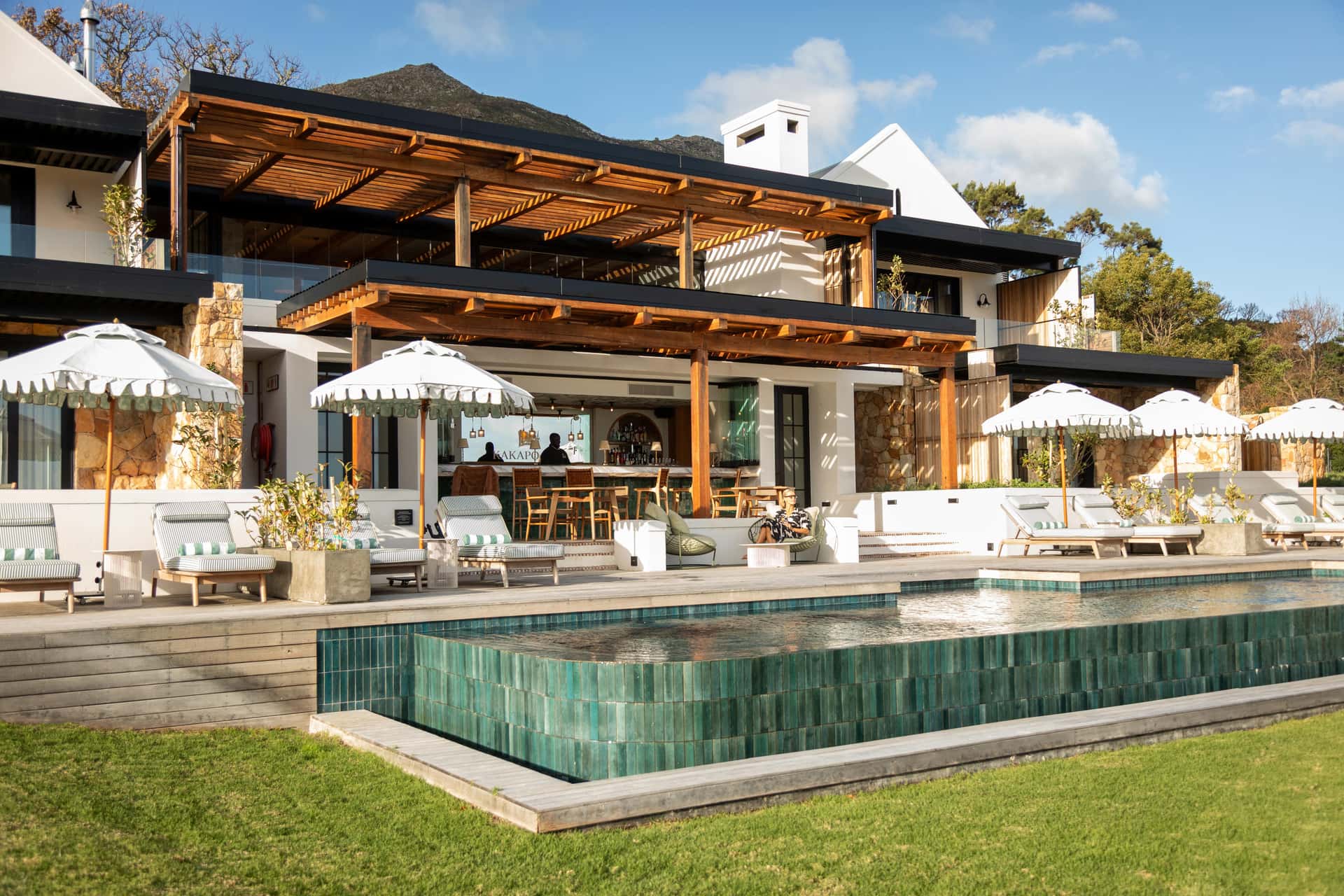
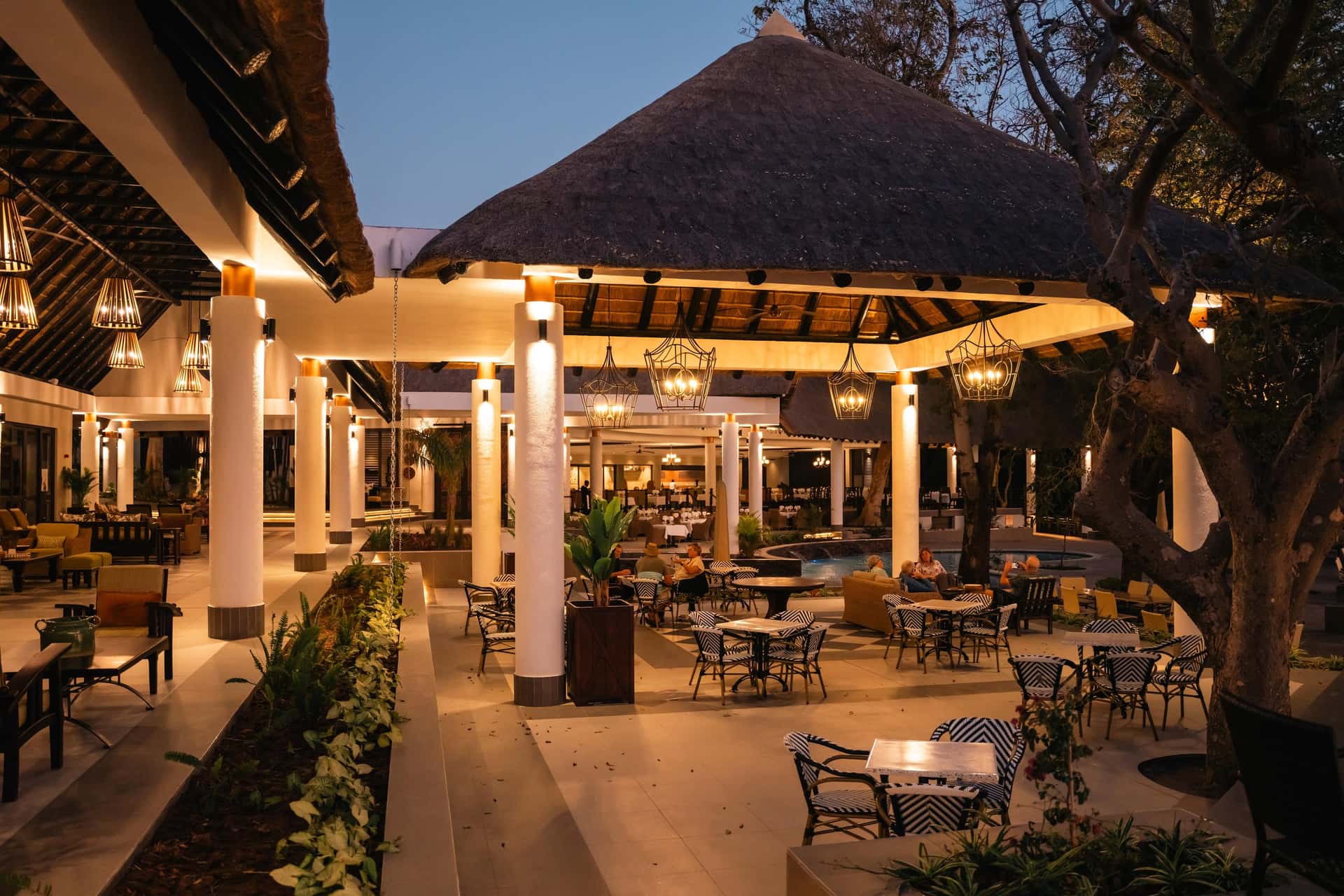
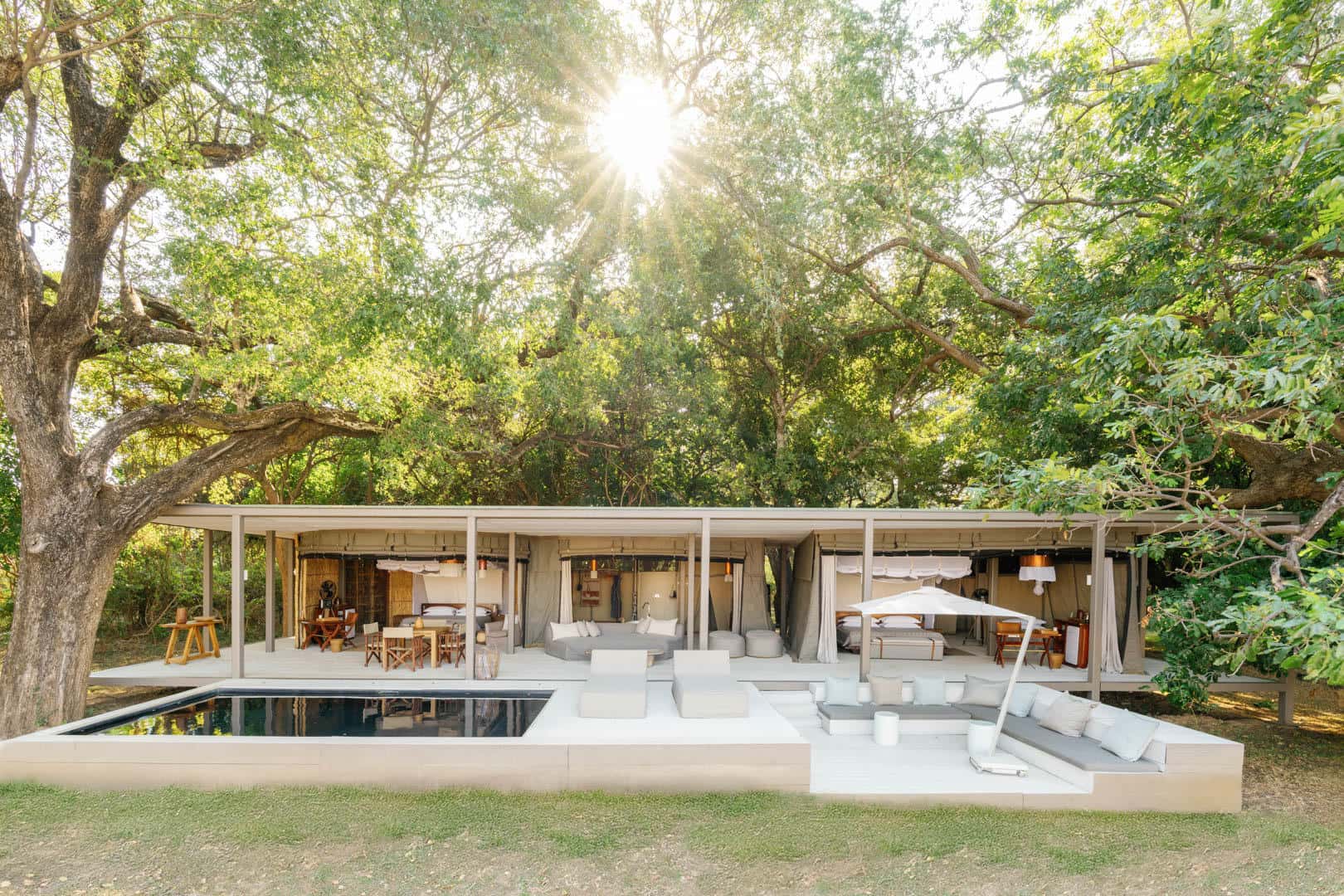
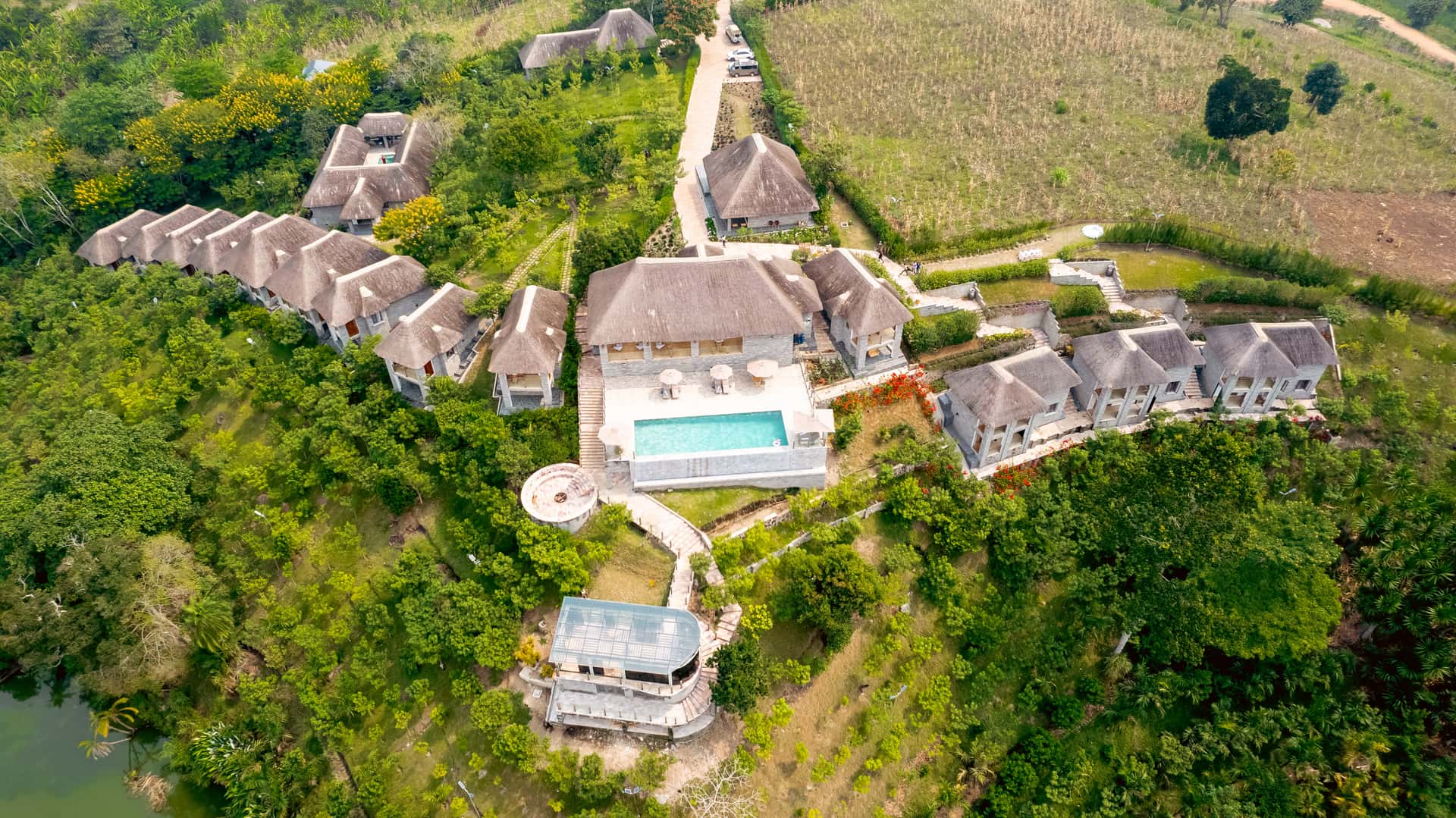
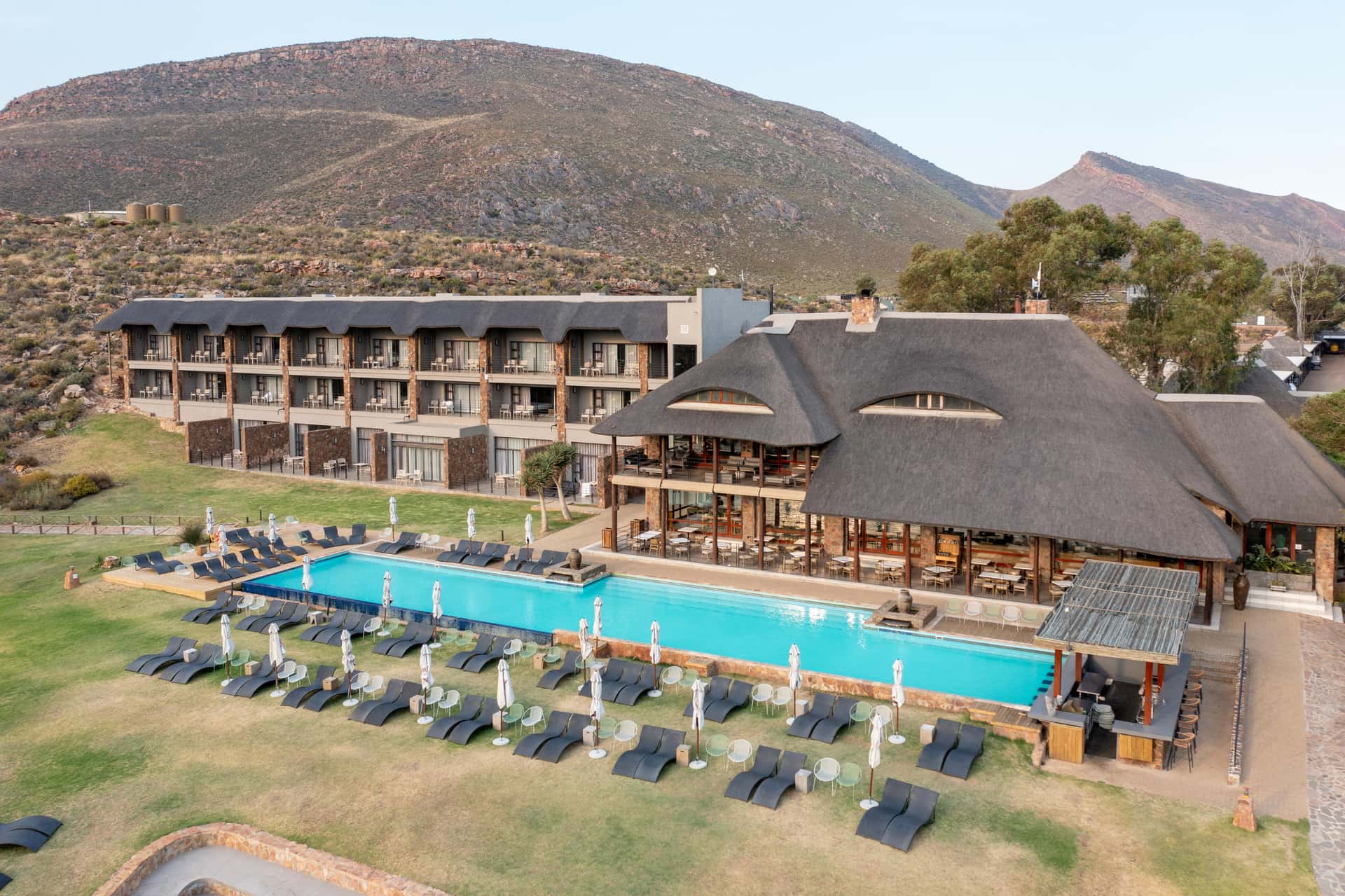
Exceptional Accommodations: Indulge in the finest lodges, boutique hotels, and private villas, each chosen for its unparalleled luxury, stunning locations, and commitment to sustainability.
Exclusive Experiences: Engage in bespoke activities, from private wildlife encounters and hot air balloon safaris to cultural immersions and gourmet dining under the stars.
Regenerative Focus: Travel with the knowledge that your journey actively supports conservation initiatives, empowers local communities, and contributes to the long-term health of the ecosystems you explore.
With Aerocruise, your African adventure will be more than a vacation; it will be a meaningful and transformative journey.
Partner with Aerocruise Safaris to offer your discerning clientele truly exceptional and responsible travel experiences in East and Southern Africa. As your dedicated DMC, we provide:
Bespoke Itinerary Design: We work collaboratively to create tailor-made itineraries that perfectly align with your clients' desires and our deep regional expertise.
Unwavering On-the-Ground Support: Our dedicated team ensures seamless logistics, from airport transfers to in-country support, allowing you and your clients to relax and enjoy the journey.
Commitment to Regenerative and Conservation Travel: Offer your clients travel options that resonate with their values, contributing to meaningful conservation outcomes and positive community impact.
Unique and Boutique Offerings: Access a portfolio of exclusive lodges, unique experiences, and off-the-beaten-path destinations that will set your offerings apart.
We welcome you with open hands and commit to hold your hand to the end, partner with us today.
Our luxury safari lodges provide restorative sanctuaries and encounters in the bush that guests won’t find anywhere else. Sought-after locations, intuitive attention to detail and the utmost privacy underpin every stay


At Aerocruise, we’re dedicated to supporting conservation initiatives and empowering local communities. Through our sustainable travel practices and partnerships with local organizations, we aim to protect natural environments while fostering economic growth and cultural preservation. Join us in making a positive impact on the places we visit and the people who call them home.
Exceptional Places
Aerocruise has been delighting guests with unique luxury safaris to Africa and charters globally since 2012. We’ve been exploring, indulging and safari-ing, sharing the splendors of our ancestral home with wide-eyed first-timers and seasoned bush-loversj alike.
Aerocruise Safaris primarily escorts groups of six or more guests to manage logistical and budgetary requirements effectively. However, please be assured that personalized guide services are available for smaller groups and individual travelers upon request.
These specialized arrangements are subject to an additional fee, which will be reviewed with the client for approval. Rest assured, our commitment to providing exceptional care and a seamless travel experience remains unwavering, regardless of the group size.
In alignment with our commitment to providing a personalized and exclusive experience, all Aerocruise safaris are intentionally kept small and intimate. We deliberately limit our group sizes to avoid the impersonal atmosphere of a large tour.
On average, our luxury African safaris are comprised of 8-10 travelers, ensuring a more private and authentic journey for everyone.
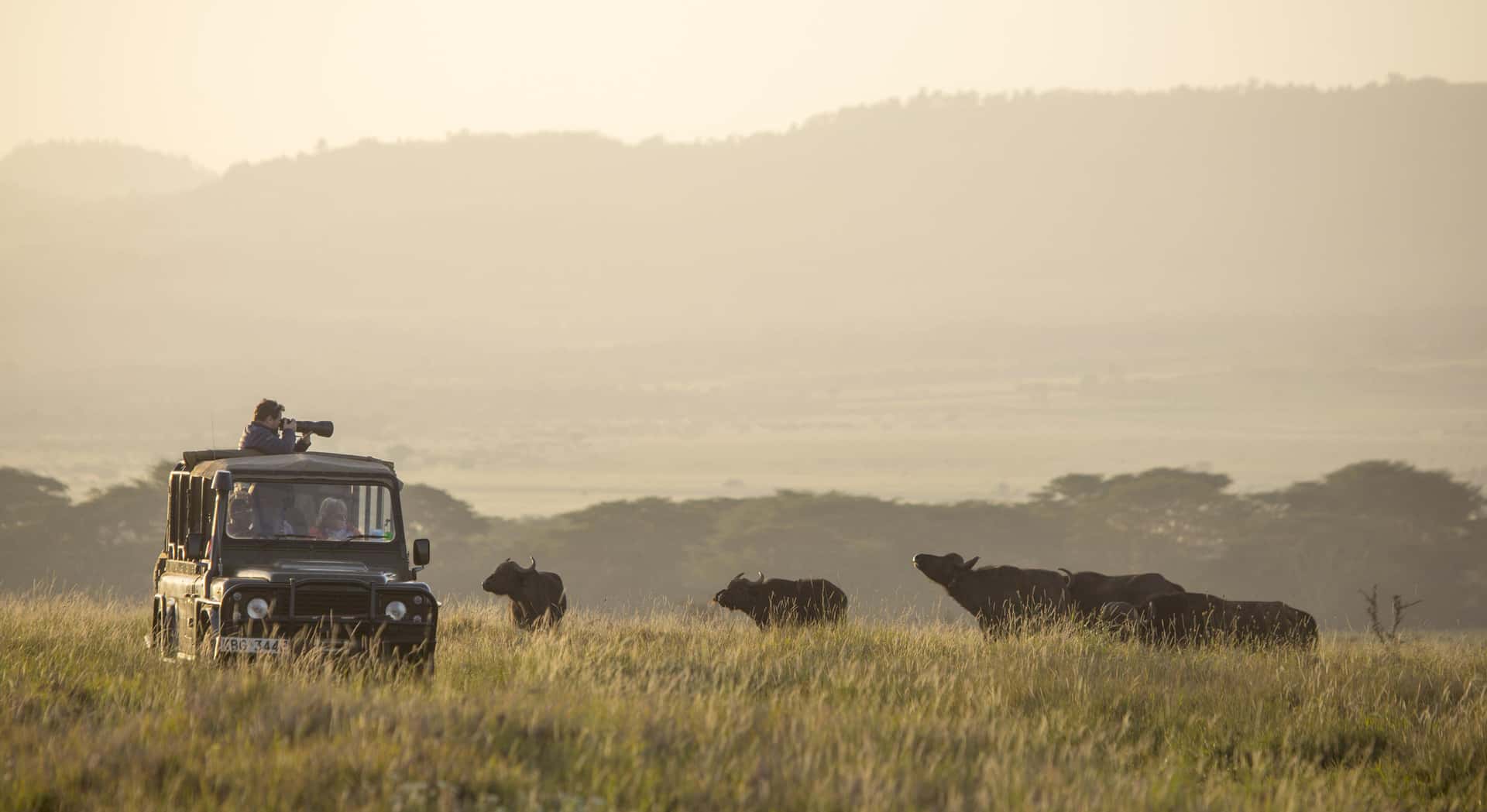
No matter which safari you choose, you'll be traveling in comfort. Our safari vehicles are custom-configured with excellent sightlines, so you won't miss a thing while exploring the bush.
In East Africa, your vehicle will have a maximum of six passengers. In Southern Africa, the vehicles are larger and can accommodate up to nine.
For those who prefer a more private experience, a dedicated vehicle for your party can be arranged at an additional fee. Just let us know when you book your safari, and we'll be happy to make the arrangements for you.
We are right where you need us to be. Our offices are located in Kenya bustling capital Nairobi, Wilson Airport Building 49. The benefits for our guests are real: no remote offices situated in inconvenient time zones, and no trying to reach decision-makers who are physically (or indeed culturally) removed.
Aerocruise has a large staff of professional, local personnel on-hand 24-7 to anticipate and fulfill your every wish – allowing our guests to concentrate on the joys of safari-ing.
An Aerocruise safari differs from a traditional safari primarily in its emphasis on air travel, and the high level of luxury, exclusivity, and customization it provides. While traditional safaris often involve a lot of ground travel in safari vehicles, an Aerocruise safari is a "fly-in safari," with alittle ground where you travel between destinations by small aircraft, unless otherwise where the client prefers otherwise to accommodate their needs.
Aerocruise's commitment to giving back to communities is a key part of its business model, which it frames as a dedication to "regenerative tourism." This means that their safaris are designed not only to provide a luxurious experience but also to leave a positive and lasting impact on the places they visit.
Here's how Aerocruise gives back to communities:
* Partnerships with Conservation-Focused Lodges and Conservancies: Aerocruise's itineraries frequently feature stays at lodges and camps that are deeply involved in conservation and community development. By booking a safari with Aerocruise, guests are directly supporting these efforts. For example, they partner with lodges in conservancies that are community-owned, such as the Wilderness Sabyinyo lodge in Rwanda, where all revenue above operational costs directly benefits local communities.
* Supporting Local Economies: Aerocruise promotes "immersive culture" experiences, where guests have respectful and authentic opportunities to engage with local communities. This includes activities like visiting villages, learning about traditional crafts, and sharing meals. These interactions are designed to foster a sense of shared humanity and provide direct economic benefit to the communities.
* Community Development Initiatives: A significant portion of the funds from many of the conservancies and lodges they partner with are channeled into community development projects. These can include:
* Education: Funding school fees, building new classrooms, and providing bursary funds to support students from various educational stages.
* Healthcare: Supporting the establishment or operation of clinics and health services.
* Water and Sanitation: Contributing to clean water initiatives.
* Human-Wildlife Conflict Mitigation: Aerocruise supports initiatives that aim to reduce conflict between people and wildlife. This includes programs that help secure livestock enclosures with predator-proof fencing, which protects the livelihoods of local communities and, in turn, reduces the likelihood of retaliatory killings of predators.
* Empowering Local Communities: By partnering with organizations that employ and train local people as guides, chefs, and staff, Aerocruise helps to create economic opportunities and foster a sense of ownership among the communities that live alongside the wildlife. This approach ensures that local people benefit directly from the tourism that their land and culture make possible.
We include just about everything so you can fully enjoy your safari without a worry.
Your Aerocruise Safari is all-inclusive, covering:
• All transfers
• Meals as indicated in the itinerary
• Laundry services as per itinerary
• Wi-Fi (where available)
• Bottled water, soft drinks, local beers, and wines
• Meet and assist on arrival.
Other additional costs you will need to plan for are passport and visa fees, immunizations, and personal expenses like phone calls and souvenirs. More detailed information will be provided in your pre-tour documents.
On an Aerocruise Safari, the food is exquisite. Every meal and snack, from lavish afternoon teas to candlelit dinners, along with excellent local wines and beers.
A Taste of the Safari
In the bush, you'll enjoy fresh, daily deliveries of meats, fish, vegetables, and fruits. Our luxurious lodges offer a variety of dishes, including both continental cuisine and local specialties to suit every taste.
In Nairobi, you can experience a medley of regional specialties, exceptional French cuisine, and flavorful Indian curries, along with abundant fresh fish and game. In Southern Africa, you'll find mildly spicy Malay dishes that reflect the region’s Indonesian influences, which are especially popular around Cape Town.
We take pride in providing the highest quality food and are happy to accommodate any and all dietary requests throughout your journey.
While Meryl Streep's Out of Africa look is iconic, modern safari clothing can be more relaxed—the key is to be comfortable and casual. When you book your safari, we will provide a complete packing list to guide you. For now, here are a few tips to get you started:
What to Wear on Safari
• Stick to neutral colors such as khaki, olive, brown, and tan. This helps you blend in.
• Dress in layers. Temperatures can fluctuate during early-morning and late-afternoon game drives, so layering is essential for staying comfortable.
Travel Light and Enjoy
There's a great incentive to avoid over-packing. Many internal flights have a luggage limit of 33 pounds. This also leaves you with extra room to bring home local African arts and crafts!
Safari evenings are typically relaxed and comfortable, not formal. You can dress casually and add a simple wrap or sweater to enjoy a candlelit dinner or a glass of wine under the stars. As one of our guests said, "Our safari camps are so naturally elegant they make everyone look gorgeous!"
If you're in a more cosmopolitan city like Cape Town or the Winelands, you might want to bring a dressier outfit for dinner—but it’s entirely your choice.
Each of our safaris includes between three and six thrilling bush flights, which save you travel time and are an adventure in themselves.
We use the best aircraft available, with sizes varying based on the number of passengers. The pilots who fly these planes are highly qualified and have extensive experience in the bush—many learned to fly before they even learned to drive! There's nothing more captivating than the sight of an elephant herd from the comfort of your seat.
While most smartphones can be used internationally, it's important to be aware of data roaming fees. Before your trip, you should contact your service provider to activate international roaming and get information on coverage and pricing.
Cell Service in Africa
Cell service can be spotty in certain remote areas, including some far-flung parts of Southern and East Africa and around Victoria Falls. However, many urban areas like Nairobi, Cape Town, and Johannesburg, and even some remote areas in East Africa, have reliable service.
You can also use Wi-Fi, which is available at most camps. This makes messaging apps like WhatsApp and email excellent options for staying in touch with people back home.
We are delighted to welcome you to our homeland and treat you like a well-loved relative.
Upon arrival at the airport and after clearing customs, you'll be greeted by an Aerocruise representative. They will swiftly escort you to your luxurious hotel. To make your journey even smoother, we'll take care of all the hotel check-in details for you, so you can head straight to your room and relax.
Wi-Fi is increasingly available at most safari camps, though it may be limited to common areas and not always offer high-speed service. In urban hotels, like those in Nairobi and Cape Town, you can often find shared computers with internet access.
For your convenience, Aerocruise safari vehicles in Africa are equipped with complimentary Wi-Fi. You can use this to stay in touch while on the go, and it can be activated or unplugged as you prefer.
Please note that bush lodges typically do not have business centers or computers for guest use.
Tipping on an African safari is a customary way to show appreciation for excellent service, though it is not mandatory. Here is a guide to the general tipping culture:
Who to Tip and How Much
Tipping is typically done at the end of your stay or at the conclusion of a particular service. The amounts below are per person, per day and are given in US Dollars ($), which is the most widely accepted currency for tips.
• Airport Driver: The person who accompanies you on your airport transfers.
- Suggested amount: $5 - $15 per person, per day.
- How to tip: It's best to give this tip directly to your driver.
• Safari Guide/Driver: The person who accompanies you on game drives. This is the most significant tip.
- Suggested amount: $10 - $25 per person, per day.
- How to tip: It's best to give this tip directly to your guide in a sealed envelope at the end of your safari.
• Lodge or Camp Staff: This includes all the behind-the-scenes staff like housekeepers, waiters, chefs, and security.
- Suggested amount: $5 - $15 per person, per day.
- How to tip: Most camps have a communal tipping box, usually located at the reception or main area. You can place your tip in an envelope in this box, and it will be divided among all staff members.
• Tracker: Some safaris, particularly in Southern Africa, have a separate tracker who sits on a seat at the front of the vehicle.
- Suggested amount: $5 - $10 per person, per day.
- How to tip: This is usually given directly to the tracker, separate from the main guide's tip.
• Porters: For luggage handling at airports, hotels, and lodges.
- Suggested amount: $1 - $2 per bag.
Important Considerations
• Cash is King: Always bring cash for tips. Credit card tips are generally not possible.
• Currency: While US dollars are preferred and widely accepted, you can also tip in local currency (e.g., Kenyan Shillings or Tanzanian Shillings). Make sure your US dollar bills are new, crisp, and free of tears, as old or damaged bills may not be accepted.
• Based on Service: These amounts are guidelines. You should feel free to adjust them based on the quality of service you receive. A tip should be a genuine expression of gratitude.
While there are no mandatory immunizations to enter Kenya from the United States, Canada, or Europe, some countries, like South Africa, Tanzania and Rwanda, require a Yellow Fever vaccination if you are traveling from Kenya or other countries with a risk of transmission.
The Centers for Disease Control and Prevention (CDC) also recommends a malaria prophylactic for many areas in East and Southern Africa as a precautionary measure.
We advise consulting your physician or a local immunization clinic well in advance of your departure to discuss these health suggestions and ensure all your travel health requirements are met.
Kenya has high-quality medical facilities in Nairobi, and South Africa offers world-class hospitals in Cape Town.
For more remote areas, you are covered by emergency medical evacuation services. In East Africa, this includes the Flying Doctors, a team of qualified physicians who provide treatment and air transportation throughout the bush. Similar services are also available in South Africa and at select lodges in Botswana. This ensures you'll receive prompt medical attention and air transport in the unlikely event of an emergency.
We strongly recommend that all guests purchase a travel insurance policy for their trip, as it provides significant advantages. While the choice of whether and from whom to buy is entirely yours, we encourage all our overseas guests to look into different providers.
Africa is truly a year-round destination for luxury safari travel. No matter when you are planning to travel, you will find a place in Africa that is perfect for that time of year. Generally, though, dry season is the best time for game-viewing—and this takes place at slightly different times in different parts of Africa.
The Best Time Overall (Dry Season)
For most of sub-Saharan Africa, the dry season (roughly June to October) is considered the best time for a safari. Here's why:
• Easier Wildlife Viewing: With less rainfall, the vegetation thins out, and animals are forced to congregate around limited water sources like rivers and waterholes. This makes them easier to spot.
• More Predictable Wildlife Movements: Animals are less dispersed, making their locations more predictable for game drives.
• Lower Risk of Malaria: Mosquito populations are at their lowest during the drier months.
• Pleasant Weather: Days are typically sunny and mild, though it can get quite chilly at night and in the early mornings, especially in Southern Africa.
This is also the peak travel season, so you should expect more crowds and higher prices. It's crucial to book your trip well in advance, sometimes 12-18 months ahead, especially if you want to see a major event like the Great Migration.
When to Go by Region:
While the dry season is a good general rule, specific countries have unique highlights and seasons.
East Africa (Kenya, Tanzania, Rwanda, Uganda)
East Africa experiences two dry seasons and two rainy seasons. The dry seasons are generally best for safaris and wildlife viewing.
• June to October: This is the main dry season and the most popular time to visit. It's the prime time for viewing the Great Wildebeest Migration, particularly the dramatic Mara River crossings in Kenya's Maasai Mara (July to September) and the Western Serengeti (June to July).
• January to March: This is a shorter, hot dry season between the "short rains." It's an excellent time for a safari in Tanzania's Serengeti, especially for witnessing the wildebeest calving season (late January to early March).
Many calves are born within a short, two-to-three-week period, which attracts a lot of predator activity. However, between November and March (excluding the Festive Holiday period) fewer people tend to travel internationally so we refer to this as the Quiet Season. Not quiet because the landscapes or the animals or the safari experiences are any less vivid, but because there are simply fewer travellers in the airports, the towns and very definitely in the gamelands. It is a marvelous time to safari. Temperatures are moderate, the savannahs are lush, and the sunsets breathtakingly vivid
• Gorilla and Chimpanzee Trekking (Rwanda, Uganda): The drier months (January to February and June to September) are ideal for trekking through the rainforest, as the trails are less muddy and slippery.
Southern Africa (Botswana, South Africa, Namibia, Zambia, Zimbabwe)
Southern Africa has one dry winter season and one wet summer season.
• May to October: This is the dry winter season, which is considered the best time for a safari in most of the region.
- Botswana: The dry months of June to October are prime time for wildlife viewing in the Okavango Delta, Moremi, and Chobe, as animals gather around waterholes.
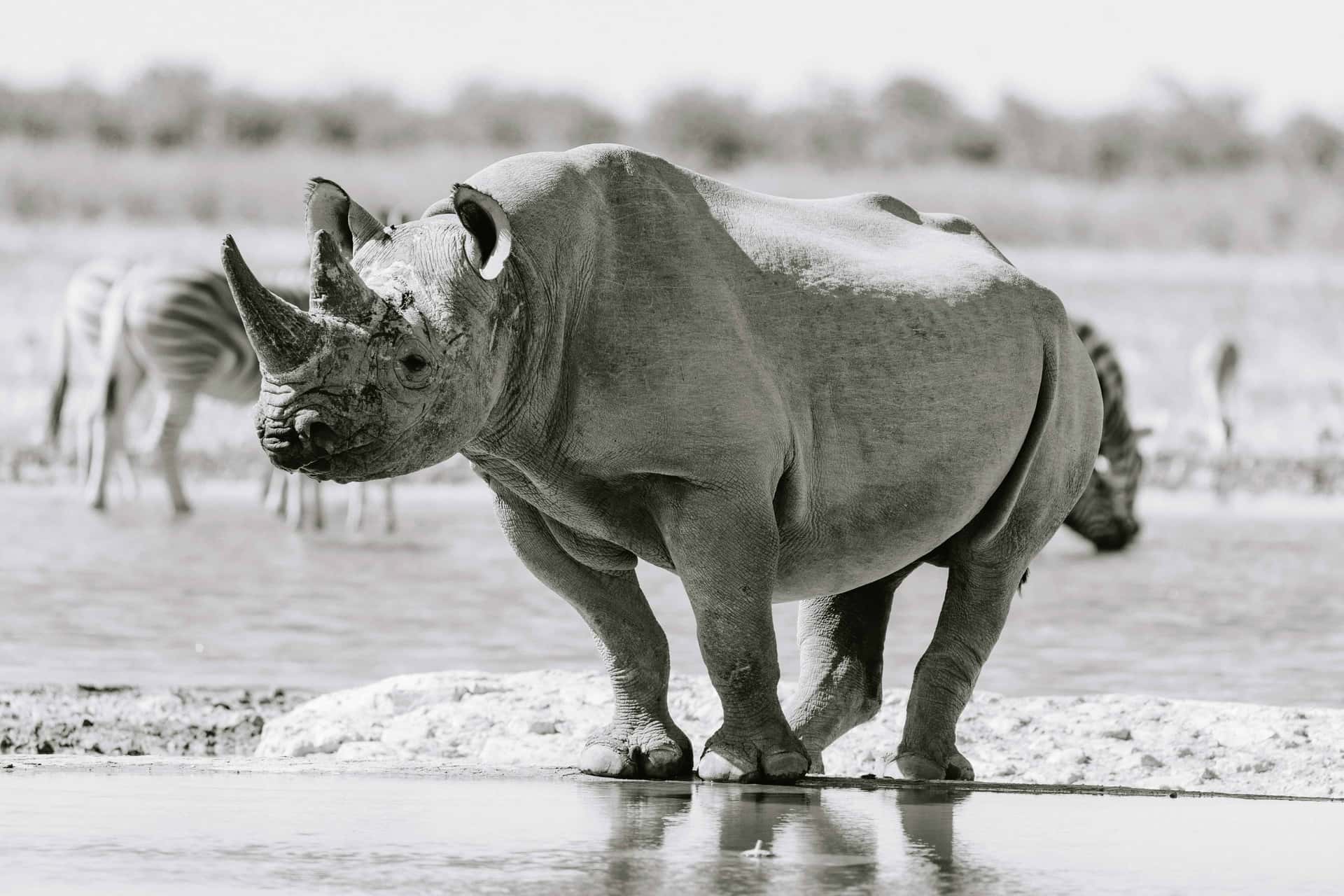
- Namibia: This is the peak season and the best for wildlife viewing, especially in Etosha National Park. As the landscape becomes dry and water sources shrink, animal are forced to congregate around the remaining waterholes, making them much easier to spot.
- South Africa: Kruger National Park is at its best for wildlife viewing during these months due to thinner vegetation and animals gathering at water sources.
- Zambia & Zimbabwe: This is the peak safari season, with drier weather drawing animals to rivers and watering holes.
The "Green Season" (Wet Season)
While the dry season is generally recommended for game viewing, traveling during the "Green Season" (or wet season) can also be a great option for the right type of traveler.
• Lower Prices and Fewer Crowds: This is the low season, so you can often find more competitive rates for flights and accommodations.
• Lush, Green Landscapes: The rains transform the dry savannah into lush, vibrant landscapes, creating stunning backdrops for photography.
• Birding: The wet season is the breeding season for many bird species, and migratory birds arrive, making it a fantastic time for birdwatching.
• Calving Season: In some areas like the Southern Serengeti in Tanzania, the wet season coincides with calving, offering incredible sights of newborn animals and predator-prey interactions.
In both East and Southern Africa, the weather is consistently pleasant for a safari at any time of year.
In East Africa (Kenya and Tanzania), the climate stays warm and dry year-round, with average daytime temperatures of 70-75°F. While the seasons don't drastically change the temperature, your location will. Higher-altitude areas like Mount Kenya are cooler and might require a sweater, while warmer temperatures are found in the bush and tropical coastlines like Zanzibar.
Southern Africa has more distinct seasons. From April to November is winter, which is the dry season, with comfortable daytime temperatures of 60-75°F and very little rain. The summer season, from December to March, is warmer with some rainfall, which transforms the landscape into a lush green environment. Both seasons offer excellent and agreeable weather for safari activities.
Choosing between East and Southern Africa for a safari isn't an easy decision, as both offer incredible experiences. However, you don't necessarily have to choose just one region while Aerocruise offer extended safaris that combine the best of both.
East Africa
The great gamelands of East Africa have long held spell over our imaginations. Maybe it’s the echoes of childhood safari dreams, or something deeper—an undeniable ancestral pull.
The main attraction is the Serengeti-Maasai Mara ecosystem, a vast area in Kenya and Tanzania known for its incredible density of wildlife. In Kenya, it’s the greener, riverine Maasai Mara, and across the border, the “warm sea of life” that is the Serengeti thrills adventurers with its sweeping wildlife-attracting plains. With other notable destinations like, Amboseli and Tarangire, famous for their large elephant herds. Lake Manyara, known for its flamingo populations. The Ngorongoro Crater, a unique volcanic caldera teeming with animals.
Laikipia plateau with a backdrop of mount Kenya offering exceptional private conservancy experiences for those seeking a deeper private connection.
Uganda and Rwanda offering exceptional mountain gorilla experiences.
Southern Africa
Southern Africa offers a surprising amount of variety, even for experienced travelers. This region includes South Africa, Botswana, Zambia, Zimbabwe and Namibia. South Africa is a land of extremes, from the urban sophistication of Cape Town and its nearby wine country to the rich wildlife of Kruger National Park and private reserves like Sabi Sabi. Botswana is home to the Okavango Delta, a lush, watery oasis within the dry Kalahari Desert, where you can explore a unique ecosystem from a canoe. Namibia is a landscape of stunning contrasts, with its towering sand dunes and a strong focus on conservation.
While both regions promise remarkable wildlife encounters, they offer different settings and a different pace. East Africa is often defined by its vast, classic savanna and the epic scale of the Great Migration, while Southern Africa offers a mix of landscapes—from coastal cities to deserts and lush deltas—alongside more private, intimate safari experiences.
Though, Africa is a year-round destination, teeming with wildlife no matter when you visit. You’ll encounter great herds, big cats, all members of the Big Five, and colorful birds. Lions and elephants, favourites among Micato guests, are born throughout the year on the African plains.
The Great Migration in East Africa is a year-round, continuous movement of over 1.5 million wildebeest and 400,000 zebra, along with other animals, across the Serengeti-Mara ecosystem. The herds are constantly in motion, following the rains in search of fresh grazing and water.
While it is a continuous cycle, different phases of the migration occur at specific times and locations:
• Calving Season (January-March): The herds are in the southern Serengeti in Tanzania, near the Ngorongoro Conservation Area. This is a time of mass births, with hundreds of thousands of wildebeest calves being born, which in turn attracts a high concentration of predators.
• The Northern Trek (April-June): The herds begin their long journey north. In May and June, they form massive columns that can stretch for miles and move through the central and western Serengeti. This is also the time when they face their first major river crossing at the Grumeti River.
• The Iconic River Crossings (July-October): This is the most famous part of the migration. The herds reach the Mara River in the northern Serengeti and cross into Kenya's Maasai Mara. This is a dramatic and dangerous event as the animals face crocodiles and strong currents. This period is often considered the peak time for a migration safari.
• The Return South (November-December): As the short rains begin, the herds start their journey back south, moving through the eastern limits of the Serengeti, completing the annual cycle.
The ideal booking window for an African safari is generally 9 to 12 months in advance. However, the exact timing depends on a few key factors:
• When you want to go (peak vs. low season):
- Peak Season (June-October): This is the high season in East Africa, especially for the Great Migration. Lodges and camps are very popular and can book up 12 to 18 months in advance. If you have your heart set on a specific, sought-after lodge or camp during this time, booking a year or more ahead is highly recommended.
- Low/Green Season (November-May): This is the off-peak season, with more lush scenery and fewer crowds. You can often book a safari 6 to 10 months in advance and still have good options. However, for popular destinations or specific holiday periods like Christmas and New Year's, you should still aim to book much earlier.
• Group size: If you are traveling with a large group (six or more people), you'll need to book further in advance to ensure there's enough availability at a single lodge or for a private vehicle.
• Bucket List or Specific experiences: If you want to include activities with limited availability, such as gorilla trekking in Rwanda or hot air balloon safaris, it's crucial to book early. Permits for gorilla trekking, for example, are often sold out many months in advance.
• Accommodation preference: The most exclusive and popular luxury lodges and camps have limited rooms and are the first to be booked. If you have a specific lodge in mind, you should book as far in advance as possible to avoid disappointment.
While it's possible to find last-minute availability, especially during the low season, you may have to be very flexible with your dates and accommodation choices. Booking early not only secures your spot but also gives you the best chance of building your dream itinerary.
Yes, in most cases, you will need a visa for a safari in East or Southern Africa, but the specific requirements vary greatly by country and your nationality. It's crucial to research the latest regulations for every country you plan to visit.
Here is a general overview of visa requirements for popular safari destinations:
East Africa
East Africa has a unique option for multi-country safaris.
• East Africa Tourist Visa: This is an excellent option if your safari includes Kenya, Uganda, and Rwanda. This single visa costs USD 100, is valid for 90 days, and allows for multiple entries into these three countries. You must apply for this visa through the official immigration portal of the country you will be entering first.
• Kenya: Most nationalities, except for a few African nations, now need to apply for an Electronic Travel Authorisation (eTA) online before traveling. The eTA is valid for a single entry and costs around USD 30.
• Tanzania: Most nationalities require a visa. You can typically get a visa on arrival or, for an easier process, apply for an e-Visa online in advance.
• Tanzania and the East Africa Tourist Visa: It is important to note that Tanzania is not a part of the East Africa Tourist Visa agreement. If your safari includes Tanzania along with Kenya, Uganda, or Rwanda, you will need a separate visa for Tanzania.
Southern Africa
Southern Africa does not have a single multi-country tourist visa like East Africa, but some countries have a "Uni-Visa" option.
• KAZA (Kavango-Zambezi) Uni-Visa: This visa is available for visitors to Zambia and Zimbabwe and allows for multiple entries between the two countries for up to 30 days. It costs USD 50 and is available on arrival at major ports of entry.
• South Africa: Many nationalities, including those from the UK, USA, Canada, Australia, and New Zealand, can visit South Africa for up to 90 days without a visa. However, you will need a valid passport with at least two blank pages. Some countries are now eligible to apply for an e-Visa.
• Botswana: Similar to South Africa, most nationalities do not require a visa for tourist stays of up to 90 days.
• Namibia: Many nationalities are visa-exempt for visits up to 90 days.
Important Things to Remember
• Passport Validity: Your passport must be valid for at least six months beyond your intended departure date from the country.
• Blank Pages: Make sure you have enough blank pages in your passport for all the visas and stamps you will receive. The general rule is at least two blank pages for each country you visit.
• Yellow Fever Certificate: Many countries in East and Southern Africa require a Yellow Fever vaccination certificate, especially if you are traveling from or transiting through a country with a risk of Yellow Fever transmission. This is a mandatory requirement for entry into some countries, such as Uganda and Tanzania if coming from an endemic country as designated by World Health Organisation.
• Official Sources: Visa requirements can change without notice. Always check with Aerocruise or the official government websites or the embassy/consulate of each country you plan to visit for the most current information
The minimum age for a child to go on safari is not a single, universal number. It depends on several factors, including the specific country, the type of safari, the lodge or tour operator's policy, and your child's temperament. However these are some general age guidelines for game drives
• Babies and Toddlers (0-3 years): While some lodges and tour operators will accommodate very young children, it is generally not recommended for traditional game drives. The long, bumpy, and often quiet nature of a game drive can be difficult for a baby or toddler to handle. Many camps and lodges have a minimum age of 6 for shared game drives due to these concerns. If you do go, booking a private vehicle is highly recommended as it gives you the flexibility to return to camp at any time.
• Young Children (4-7 years): This is a popular age to start family safaris. Children at this age can often appreciate the animals, but their attention spans are still short. Many lodges will allow children of this age on game drives, but you should still check their specific policies. Opting for a private vehicle remains a good idea for flexibility.
• Older Children and Tweens (8-12 years): This is widely considered a great age for a safari. Kids at this age can sit still for longer periods, understand and follow a guide's instructions, and truly appreciate the experience. Most safari activities are open to this age group.
Certain safari activities have strict age limits for safety reasons:
• Gorilla and Chimpanzee Trekking: This activity has a strict minimum age of 15 years old in countries like Uganda and Rwanda.
• Walking Safaris and Bush Walks: The minimum age is often 12 years old or higher, as this requires a certain level of maturity and the ability to be quiet and follow instructions in close proximity to wild animals.
• Canoeing or Boating Safaris: Age restrictions vary but can be anywhere from 6 to 12 years old, depending on the lodge and the nature of the activity.
Important Considerations for Families
• Private vs. Shared Vehicle: A private vehicle offers the most flexibility for families with younger children, as you can control the schedule, duration, and pace of the game drives.
• Malaria-Free Zones: If you are traveling with very young children, consider a safari in a malaria-free region, such as Madikwe or the Eastern Cape in South Africa.
• Lodge and Camp Amenities: Look for family-friendly lodges and camps that offer amenities like:
- Fenced camps for security.
- Dedicated family tents or rooms.
- Babysitting or childminding services.
- Kids' clubs or "junior ranger" programs with tailored activities.
- Flexible meal times and menus.
Canceling a safari trip is a serious matter, as it can involve significant financial penalties. The policy will vary from one tour operator to another, but there are some common principles and important things to know.
Standard Cancellation Policies
Almost all safari operators have a tiered cancellation policy that is based on how close to the departure date you cancel. The closer you get to the start of the trip, the higher the percentage of your payment you will forfeit.
Why are the penalties so high? Safari companies book and pay for accommodations, flights, and park permits far in advance. These suppliers have their own cancellation policies, and the safari operator is simply passing those costs on to you. Gorilla and chimpanzee permits, in particular, are almost always non-refundable once they have been purchased.
The Importance of Travel Insurance
This is the most critical piece of advice for anyone booking a safari. Travel insurance is an absolute requirement.
A comprehensive travel insurance policy should include:
• Trip Cancellation Coverage: This is what protects you if you have to cancel your safari for a covered reason, such as a sudden illness, injury, or death in the family. It can reimburse you for your non-refundable trip costs, including the deposit and any other payments you have made.
• Trip Interruption Coverage: If you have to cut your trip short after it has already started, this coverage can help you get reimbursed for the unused portion of your safari and for any additional costs, like a last-minute flight home.
• Emergency Medical and Evacuation Coverage: Safaris often take place in remote areas with limited medical facilities. This is arguably the most important type of insurance to have, as it can cover the high cost of emergency medical treatment and, if necessary, an air evacuation to a major hospital.
When shopping for travel insurance, be sure to read the policy's fine print to understand what is covered and what is excluded. Some policies may not cover pre-existing medical conditions or certain "cancel for any reason" situations unless you purchase additional riders.
Key Takeaways
• Read the Terms and Conditions: Before you book, carefully review the cancellation policy of your specific tour operator.
• Get Travel Insurance: Purchase a comprehensive travel insurance policy as soon as you make your initial deposit. This will protect your investment from the moment you book.
• Communicate in Writing: If you must cancel, notify your tour operator in writing as soon as possible. This creates a paper trail and is often a requirement of their policy.
• Understand What's Non-Refundable: Be aware that some components of your trip, such as gorilla permits, may be 100% non-refundable from the start.
Canceling a safari trip is a serious matter, as it can involve significant financial penalties. The policy will vary from one tour operator to another, but there are some common principles and important things to know.
Standard Cancellation Policies
Almost all safari operators have a tiered cancellation policy that is based on how close to the departure date you cancel. The closer you get to the start of the trip, the higher the percentage of your payment you will forfeit.
Why are the penalties so high? Safari companies book and pay for accommodations, flights, and park permits far in advance. These suppliers have their own cancellation policies, and the safari operator is simply passing those costs on to you. Gorilla and chimpanzee permits, in particular, are almost always non-refundable once they have been purchased.
The Importance of Travel Insurance
This is the most critical piece of advice for anyone booking a safari. Travel insurance is an absolute requirement.
A comprehensive travel insurance policy should include:
• Trip Cancellation Coverage: This is what protects you if you have to cancel your safari for a covered reason, such as a sudden illness, injury, or death in the family. It can reimburse you for your non-refundable trip costs, including the deposit and any other payments you have made.
• Trip Interruption Coverage: If you have to cut your trip short after it has already started, this coverage can help you get reimbursed for the unused portion of your safari and for any additional costs, like a last-minute flight home.
• Emergency Medical and Evacuation Coverage: Safaris often take place in remote areas with limited medical facilities. This is arguably the most important type of insurance to have, as it can cover the high cost of emergency medical treatment and, if necessary, an air evacuation to a major hospital.
When shopping for travel insurance, be sure to read the policy's fine print to understand what is covered and what is excluded. Some policies may not cover pre-existing medical conditions or certain "cancel for any reason" situations unless you purchase additional riders.
Key Takeaways
• Read the Terms and Conditions: Before you book, carefully review the cancellation policy of your specific tour operator.
• Get Travel Insurance: Purchase a comprehensive travel insurance policy as soon as you make your initial deposit. This will protect your investment from the moment you book.
• Communicate in Writing: If you must cancel, notify your tour operator in writing as soon as possible. This creates a paper trail and is often a requirement of their policy.
• Understand What's Non-Refundable: Be aware that some components of your trip, such as gorilla permits, may be 100% non-refundable from the start.
Learn more